More accurate culture testing has cut the field of PCR-positive UES buildings from 76 to 56 with active bacteria — but health department data shows only 52% of those towers had received a city inspection in the past year. The outbreak has now killed five and sickened 89.
The New York City Health Department has confirmed that 56 Upper East Side buildings had active, living Legionella bacteria in their cooling towers before this summer's outbreak — and that nearly half of those buildings had not received a city inspection in the past year, according to health department data released Monday.
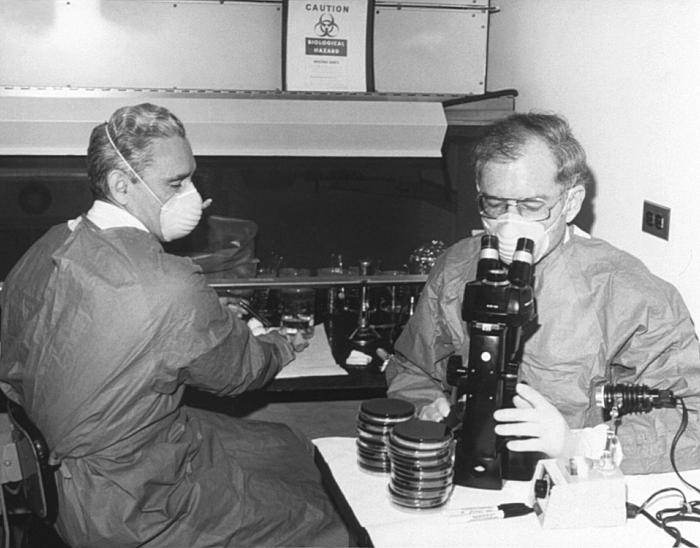
The results come from culture tests, a slower but more accurate method than the rapid PCR screening that flagged 76 buildings for traces of the bacteria — living and dead — earlier this month. Culture tests take several weeks to process; the positive samples from the 56 buildings will now be genetically matched against specimens collected from patients. Only that comparison will allow the health department to definitively name the source or sources of the outbreak.
As of Monday, 89 people have been sickened and five have died. Health department spokesperson Chantal Gomez said the source has likely already been eliminated: "Building owners drained their cooling towers after the PCR tests, and we haven't seen any new diagnoses."
The compliance picture around the 56 confirmed towers is uneven. According to health department data, only 52% of those buildings had been inspected in the past year as of June 17 — below the citywide rate of 56% for all registered cooling towers. City regulations require owners to submit culture test results every 31 days; 86% of the positive buildings had met that testing requirement.
Twelve buildings remain in a backlog, awaiting culture results the health department attributed to limited lab capacity and delayed sampling start dates.
City Council Speaker Julie Menin has publicly pressed the Mamdani administration over its handling of the outbreak, calling for disinfection of all towers in the three affected ZIP codes and faulting the health department for what she described as insufficient transparency. A prior Gothamist analysis found city cooling tower inspections had reached a record low before a 2025 Harlem outbreak, and had only slightly improved before this summer's cluster.