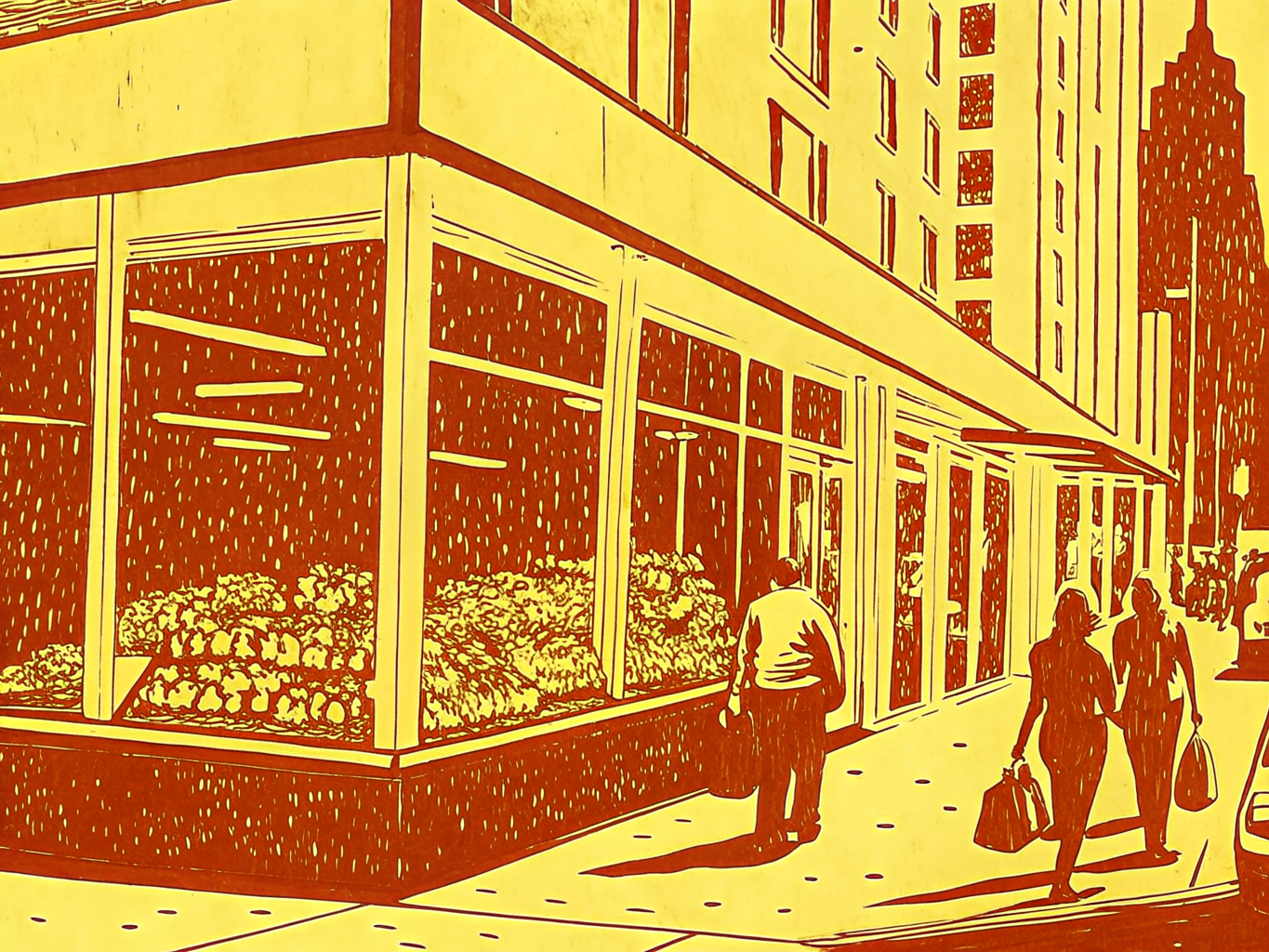
Mayor Mamdani released pricing specifics Monday for his five municipal grocery stores — 30% below retail on meat, seafood, and produce, prices locked monthly — and opened a request for proposals for private grocers to run day-to-day operations. The city is spending $70 million in capital funds on the stores; the first opens in Hunts Point in 2027.
Mayor Zohran Mamdani disclosed the pricing structure for his planned municipal grocery stores on Monday, saying the five city-run shops will sell meat, seafood, and fresh produce at 30% below prevailing retail prices, with prices locked in each month to eliminate the "weekly fluctuations" and "sticker shock" he says squeeze low-income shoppers. The announcement, made at Campaign Against Hunger in East New York, Brooklyn, also opened a city request for proposals seeking experienced grocers to manage daily store operations.
Deputy Mayor Julie Su said the RFP is now live. Under the model, the city absorbs rent and property taxes — the costs the administration says make affordable pricing at private stores nearly impossible in dense neighborhoods — while the selected private operators handle staffing, inventory, procurement, and supply chains. City officials project the arrangement will save participating families roughly $90 a month, or about 15% on their overall grocery bills. The stores will accept SNAP benefits.
The city has committed $70 million in capital funds across all five stores, one per borough. The first is set to open in 2027 at La Peninsula in Hunts Point, a 20,000-square-foot space in a former juvenile detention facility in the South Bronx, at an estimated cost of $10 million to build. A Manhattan store, to be built on city-owned land north of La Marqueta on Park Avenue in East Harlem, carries a $30 million construction estimate and is slated for 2029. The Economic Development Corporation is overseeing the initiative; Mamdani has not yet named a permanent EDC president.
Opposition from the grocery trade sharpened alongside the pricing specifics. Francisco Marte, founder of the Bodega and Small Business Group, called the plan direct competition that will hurt stores built on margins he described as already near 1%. Antonio Pena, president of the National Supermarket Association, which represents 450 stores in New York City, said the city's own build-out costs — $30 million for a single East Harlem store — reveal the inefficiency of the approach, arguing the same money dispersed as subsidies to existing independent grocers would reach more customers faster.
Mamdani's counter is that the existing city-run Essex Street Market on the Lower East Side has not shuttered neighboring businesses, and that municipal stores won't carry the tobacco, lottery, and niche items that generate bodega margins. The pricing and RFP release is the first concrete procurement step in a plan that has moved from campaign pledge to location announcement since April — City Council Speaker Julie Menin has said the Council is seeking further details, and a budget hearing on the proposal has already been held.
