Two G train stations in Williamsburg are newly confirmed accessible on the MTA's June 11 update, while a July 16 City Council floor vote cleared the final land use hurdle for the deal that will fund long-overdue elevators at Nassau Avenue in Greenpoint.
Two G train stations in Williamsburg — Metropolitan Avenue and Lorimer Street — are now listed as accessible on the MTA's station page, per a June 11, 2026 update to the agency's website. They are the most recently confirmed ADA completions on the system's only crosstown line, which has no Manhattan stops and has historically had one of the worst accessibility records in the subway.
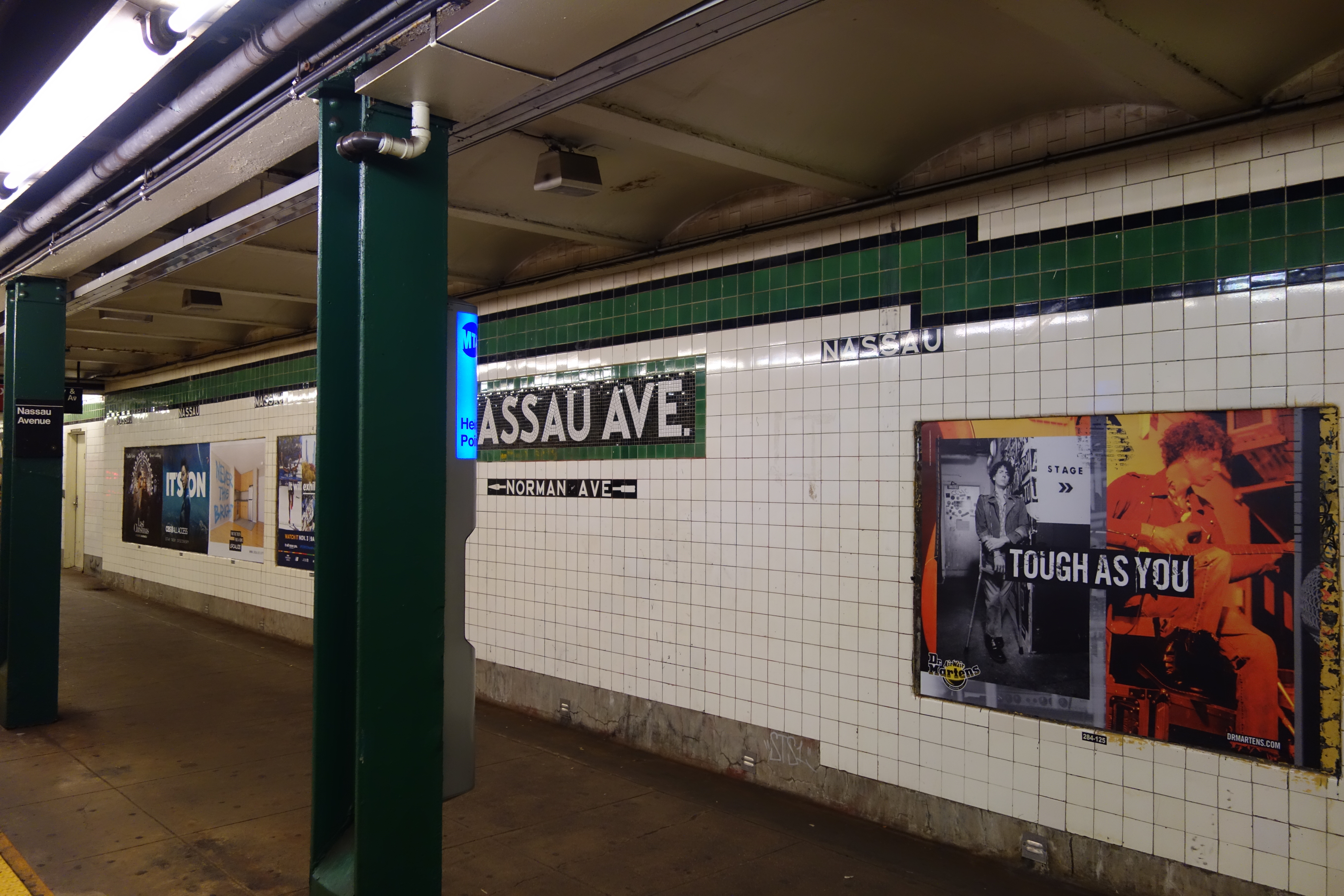
The financing for the G's next elevator project cleared its final hurdle on July 16, when the full New York City Council voted to approve the Monitor Point rezoning in Brooklyn. The project — a 1,324-unit waterfront development by Gotham Organization on MTA-owned land at 40 Quay Street in Greenpoint — carries lease revenue earmarked for long-overdue elevators at Nassau Avenue station. The Greenpoint station has operated without elevators since it opened in 1933 as the G's original southern terminus; a Land Use Committee vote of 9-0 in late June set up the full Council's approval.
The picture beyond those two confirmed developments is harder to nail down. Riders tracking the G train's capital work on r/nycrail report that Classon Avenue station in Clinton Hill is in active ADA construction, and that four more stations — 4th Avenue/9th Street, Smith–9th Streets, Myrtle–Willoughby Avenues, and Nassau Avenue — are in a design phase ahead of a future bundle. The MTA's stations-in-progress project page was inaccessible for independent verification; the agency has not issued a public press release on Classon's current construction status.
Running alongside the ADA push is a $622 million overhaul of the Greenpoint Tube, the G's Queens-to-Brooklyn underwater crossing. The MTA launched rolling shutdowns in summer 2024 to replace a fixed-block signal system with communications-based train control (CBTC), targeting a 2027 completion. As of early July 2026, the installation was running behind schedule, with no updated public timeline from the agency.
The G carries roughly 150,000 riders on a typical weekday — more than the daily vehicle count on the Brooklyn-Queens Expressway, per a 2024 Streetsblog analysis. The Nassau Avenue elevator deal and the ongoing signal work represent the most sustained capital push the G has seen in decades. Whether they translate into a measurably more reliable and accessible line is the question this round of investment will eventually have to answer.