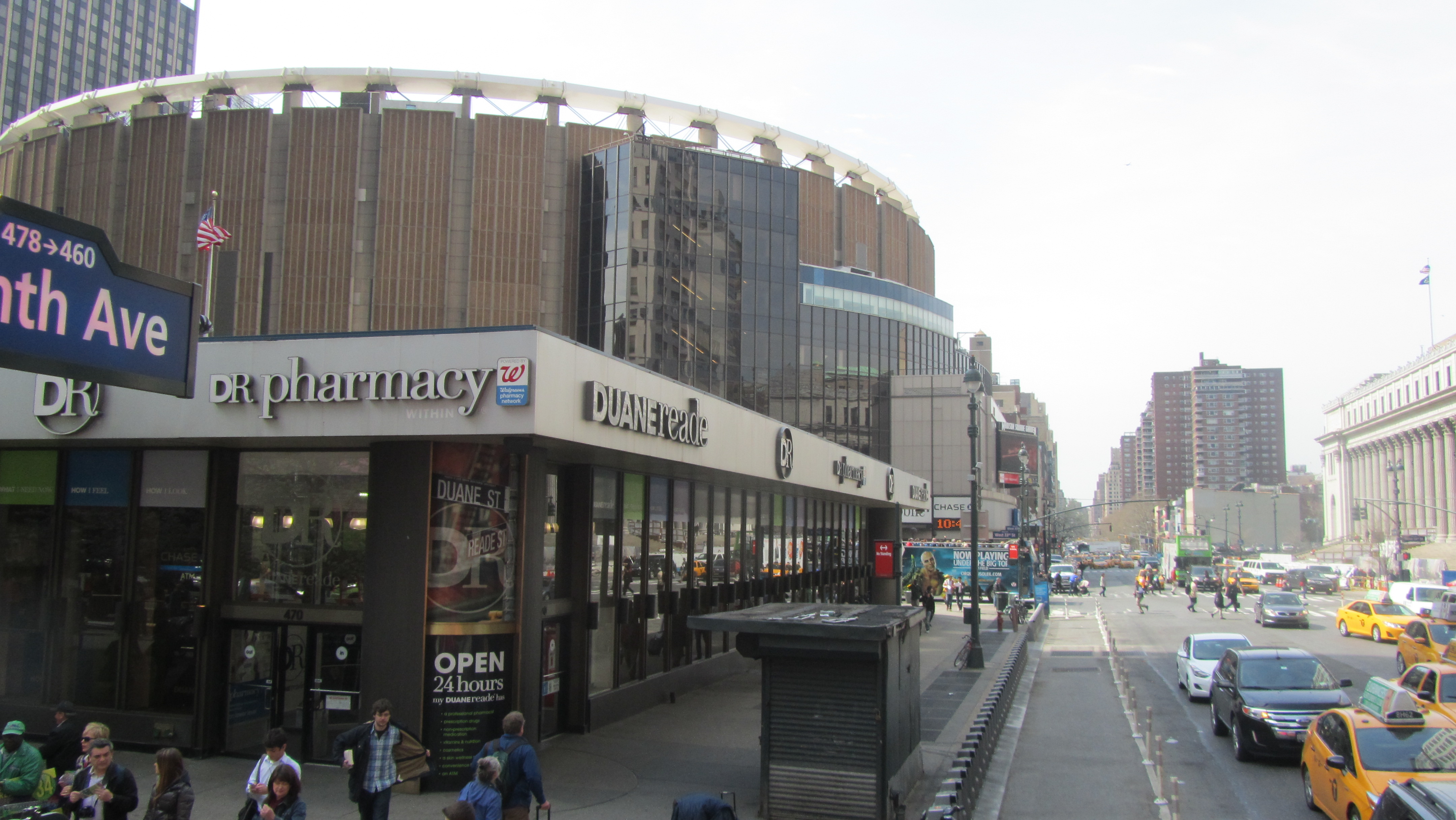
An internal MSG document ordered a seven-hour camera blackout on July 2 — Taylor Swift and Travis Kelce's rehearsal dinner — and again on July 3. Sources say the accommodation is without precedent: not for NBCUniversal, not for Warner Bros., not for the NYPD.
An MSG executive ordered a seven-hour lockdown of the Garden's video management system on July 2 — the night of Taylor Swift and Travis Kelce's rehearsal dinner — blocking nearly all security staff from the surveillance network that ordinarily runs the venue's face-recognition cameras, according to an internal document reviewed by Wired. The lockout was repeated the following night for the roughly 1,000-guest wedding.
The order cited "a client privacy request." The internal memo warned personnel: "If you somehow still have access to cameras after 3PM, you will be forcibly logged off."
That framing is worth sitting with. James Dolan has defended his company's sprawling surveillance apparatus — a network of cameras tied to Genetec video management software and eConnect face-recognition hardware — as a security necessity, calling MSG "the most secure venue in the country." The July 2 document suggests the system can be suspended on a wealthy client's say-so. Swift and Kelce paid an estimated $1.2 to $1.6 million to book the Garden.
A source with years of experience at MSG told Wired the accommodation is without precedent. NBCUniversal takes over Radio City Music Hall annually to preview its fall lineup; Warner Bros. Discovery uses other Dolan-controlled properties. Neither has ever requested a camera blackout. Even when the NYPD holds Police Academy graduation ceremonies inside the Garden — and Wired's earlier reporting found an Academy graduation photo in MSG's face-recognition database — the cameras have stayed on.
"It has never been done," the source told Wired, "and the request wouldn't have been entertained."
The incident follows months of documented misuse of the same system. Futurism and Wired have previously reported that MSG security chief John Eversole, who has led the operation since 2018, directed surveillance staffers to compile dossiers on a transgender Knicks fan, tracking her second-by-second on the arena's camera network and ultimately engineering her ban on a fabricated stalking allegation, according to a lawsuit filed by a former MSG security officer. The Garden's surveillance database — as The Dissent reported July 9 — contained 39,539 entries and tagged 93 individuals by sexual orientation.
MSG sued Wired in New York State Supreme Court on July 16, naming reporters Noah Shachtman and Maddy Varner and editorial director Katie Drummond personally in a 40-page defamation complaint over that prior reporting. Wired called the suit "baseless and ridiculous." The camera-blackout story is Wired's first major publication since the filing.
Evan Greer, director of Fight for the Future, told Wired the Swift-Kelce exception illustrates "a future where privacy is a luxury for the elite few, and the rest of us are subjected to pervasive surveillance everywhere we go." New York City's Biometric Identifier Information Law, passed in 2021, defines "commercial establishments" to include places of entertainment — a category that encompasses MSG — and requires them to post notice when collecting biometric data from customers. The city has not opened an enforcement action against the Garden under the law. No Council member has announced a hearing.