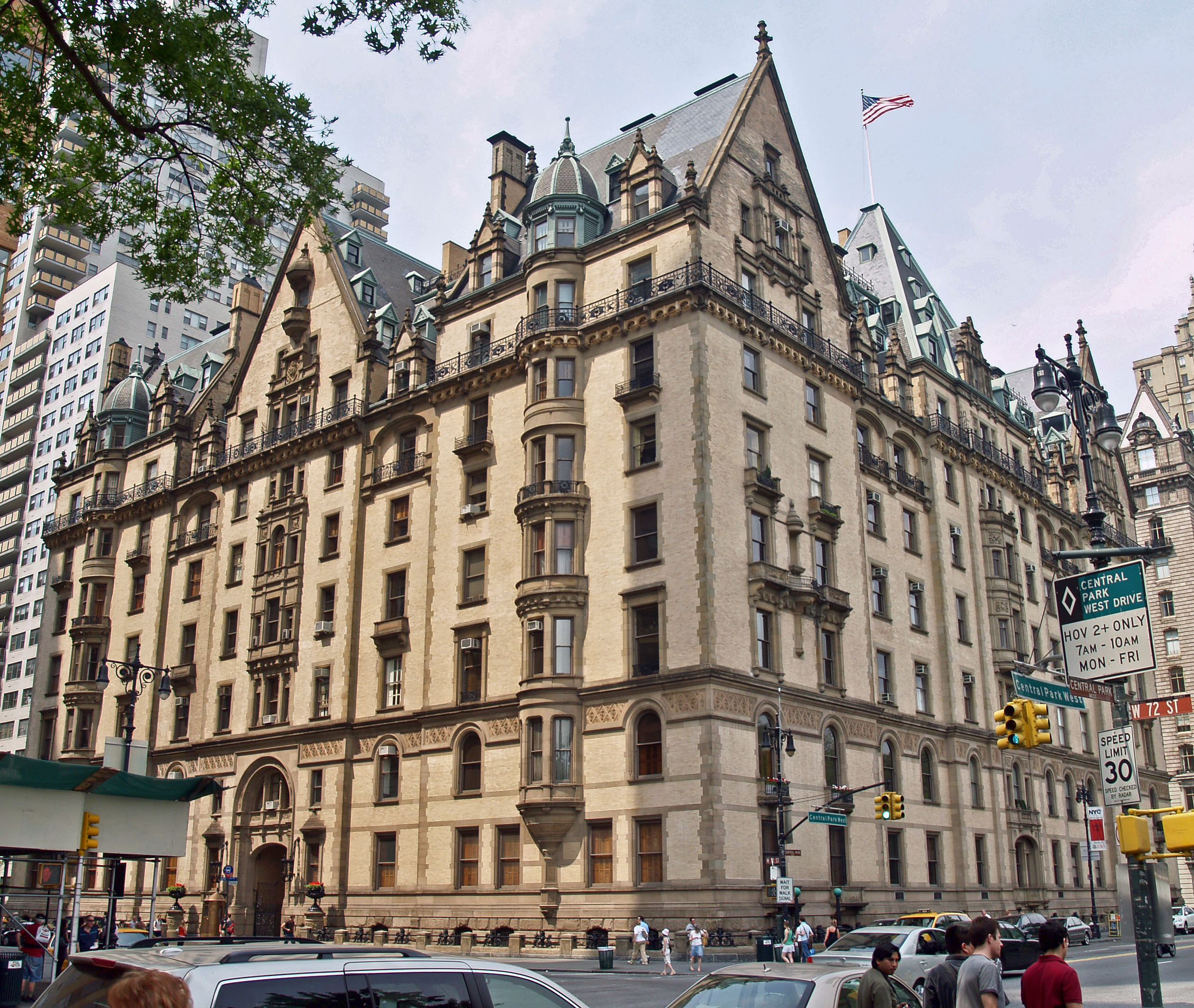
The Department of Finance must identify qualifying second-home apartments by August 30 — triggering a 30-day challenge window. In co-ops, boards, not the city, are on the hook for collection.
The Department of Finance has until August 30 to notify co-op and condo owners that their units qualify for the city's new second-home surcharge — and when those notices land, a 30-day challenge window starts ticking.
The pied-à-terre tax, which this desk reported as enacted on July 2, applies to non-primary residences with a DOF market value roughly equivalent to a $5 million apartment. What's new now is the collection machinery.
For condos, the city bills unit owners directly. For co-ops — where property taxes run through monthly maintenance — boards must stand up their own collection process, Brick Underground reported July 15 in a practical overview for boards and shareholders. Communication to affected non-resident shareholders can begin immediately.
DOF's likely instrument for identifying pieds-à-terre is the existing co-op and condo tax abatement, a break reserved for primary-resident shareholders. If a shareholder is receiving the abatement, DOF presumes primary residence; no surcharge applies. "The city has already been rewarding people who have been using their homes as primary residences, now they'll be punishing people who don't," said Benjamin Williams, head of the property tax department at Rosenberg & Estis, speaking to Brick Underground.
Owners who believe their units were miscategorized have 30 days from the notice date to contest the determination — a hard deadline. "It is very time sensitive," said Parag Parekh, a partner at Moritt Hock & Hamroff. Challenges about apartment valuations go to the NYC Tax Commission.
The August 30 deadline puts the first real enforcement test of the law on a compressed summer schedule, before the market's September restart — and squarely on co-op boards to execute.