A new Urban Institute study puts a number — nearly 16,000 renters — on the displacement risk from Metropolitan Park, and a June PPP poll shows 61% opposition in NY-06. Jack Hu of No Casino FMCP calls it a "predatory project" aimed at an immigrant community with documented rates of gambling addiction.
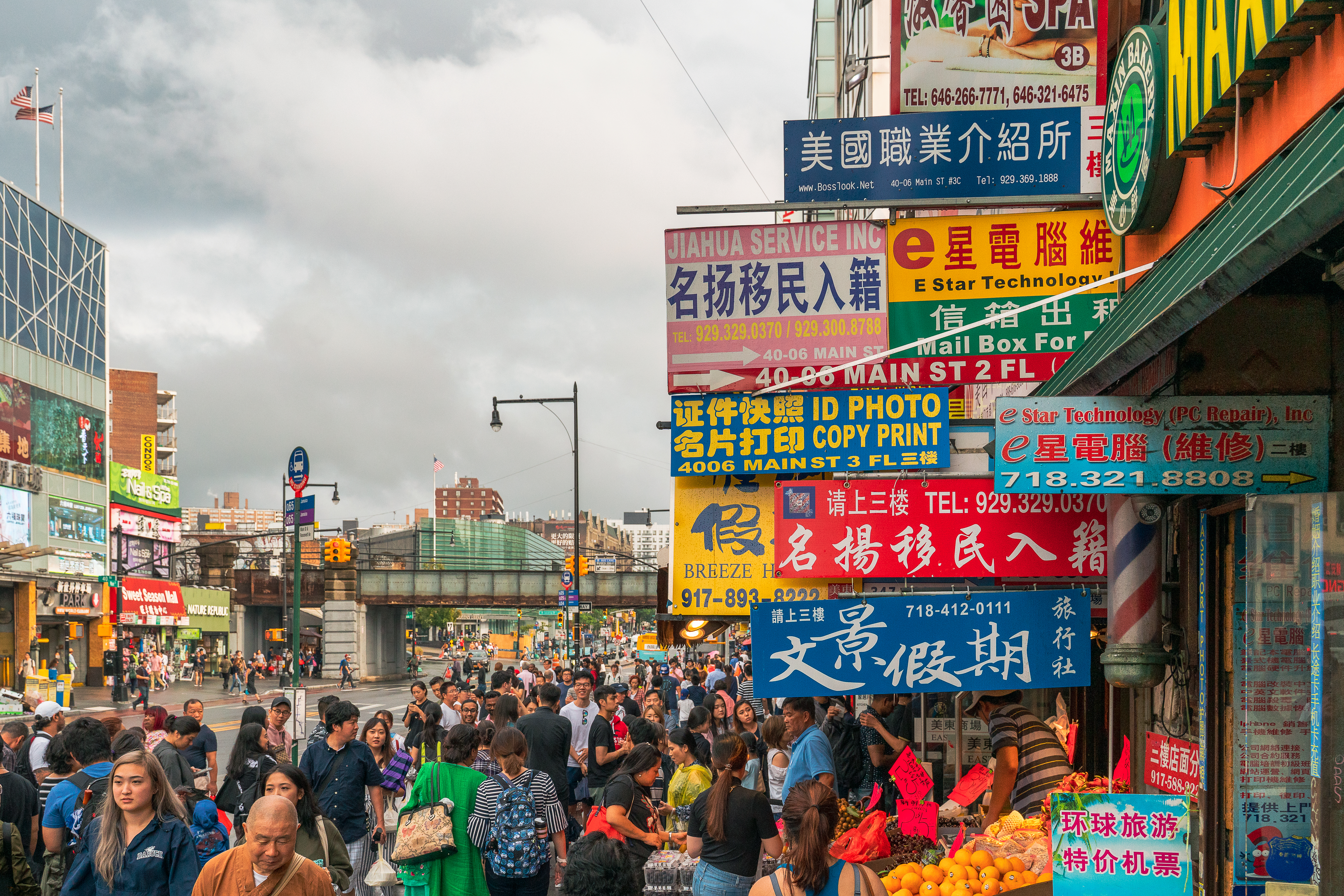
On Main Street in Flushing, Queens, where fruit stands and family-run restaurants fill nearly every storefront, organized opposition is building against Metropolitan Park — the $8 billion casino and entertainment complex that would transform the Citi Field parking lots at Willets Point, between Flushing and Corona.
Jack Hu, 35, a Flushing resident and member of the No Casino in Flushing Meadows Corona Park campaign, is among those leading the pushback. "A predatory project is being dumped in our community that disproportionately harms our people," he told The Guardian in a piece published July 24. Hu, whose father developed a gambling addiction after immigrating to the US, says casino operators specifically court Chinese-speaking clients with meal coupons, free bus vouchers, and gambling credits. Studies cited by the Guardian have documented higher rates of problem gambling among Chinese immigrant communities, tied to cultural beliefs around fortune, immigration-related stress and isolation, and barriers to mental health services.
The displacement argument is now documented in numbers. A study by the Urban Institute, a Washington-based policy research organization, found the project could displace nearly 16,000 renters spending more than half their income on housing in Corona and Flushing — the two neighborhoods flanking the development site. Many of Flushing's merchants are already absorbing higher costs from federal tariffs on Chinese-imported goods, and community members are skeptical resort visitors would cross into the commercial strip. "If you look around here, you'll see just locals," Hu said. "These events do not pull business into Flushing." As evidence, he pointed to the limited commercial spillover from Citi Field and the US Open, both nearby.
The political opposition is quantified, too. A Public Policy Polling survey conducted in June found 61 percent of likely Democratic voters in New York's 6th Congressional District — which encompasses Flushing — oppose Metropolitan Park; 20 percent support it. The poll was commissioned by Chuck Park during his campaign for the Democratic nomination in NY-06. Park ultimately lost the primary to incumbent Grace Meng.
The project is advancing through regulatory channels. Queens Future LLC — the development entity controlled by Mets owner Steve Cohen and Hard Rock International — received a key land-use milestone when the New York City Planning Commission reviewed and accepted its environmental impact statement. A gaming license from the New York State Gaming Facility Location Board is the remaining major regulatory hurdle.
Metropolitan Park's spokesperson disputed the displacement finding. "A comprehensive environmental impact study was conducted, finding that Metropolitan Park will not directly displace any existing businesses or residents," the spokesperson said, adding that the project includes more than $1 billion in community benefits and has signed memorandums of understanding with four organizations — Elmcor Youth & Adult Activities, Hamilton-Madison House, Korean Community Services, and the Korean American Family Service Center — to provide addiction and mental health services tailored to Chinese- and Korean-speaking clients.
The core dispute, as the state licensing decision approaches, is not whether Metropolitan Park's own footprint displaces anyone directly — the CPC's accepted EIS says it doesn't — but whether the resort's gravitational pull on rents does. That distinction is what Flushing's Main Street is watching.