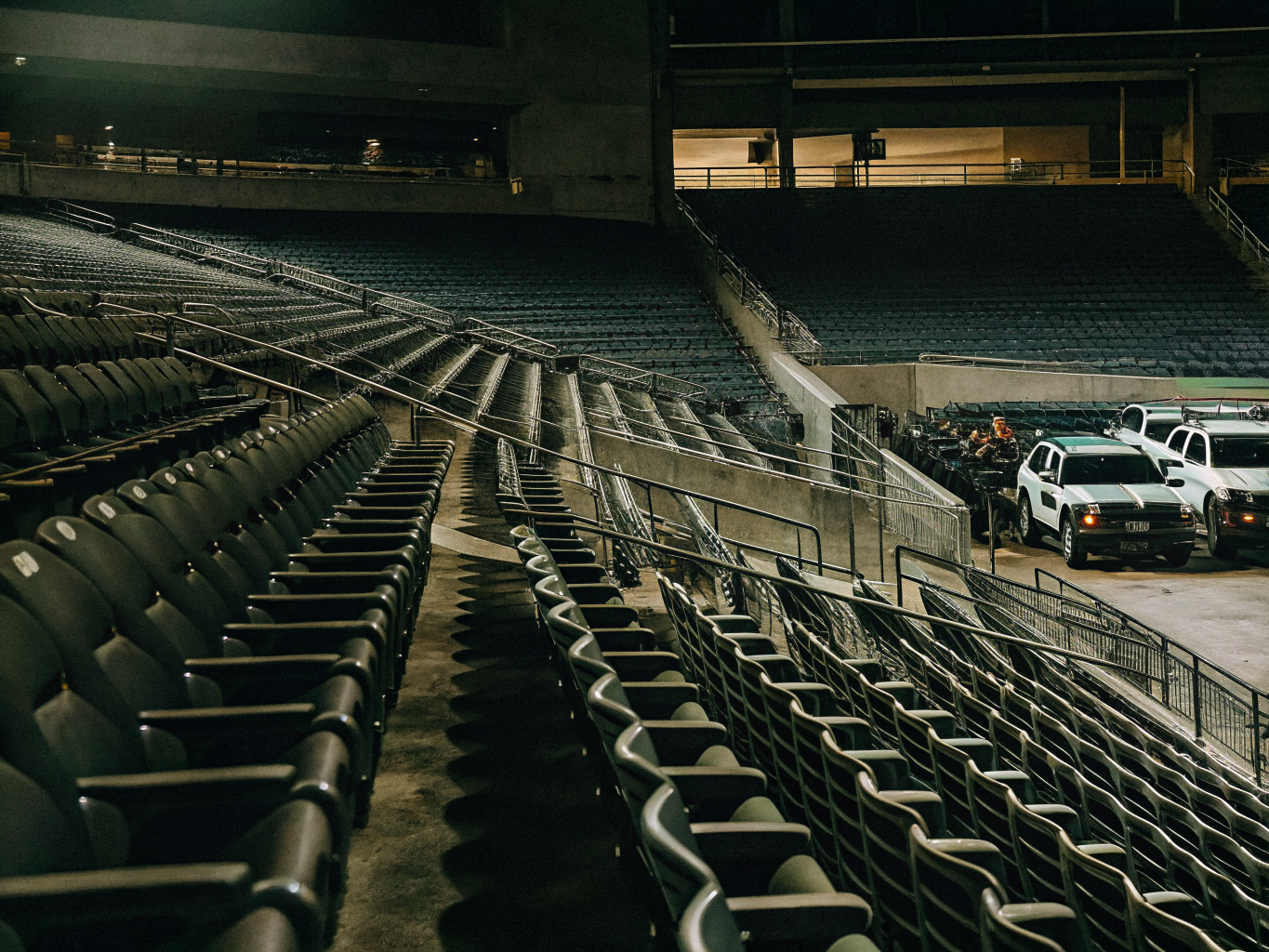
Hundreds of ticketless individuals stormed entrances at Jay-Z's third Bronx stadium show Sunday, triggering a lockdown and a 4-hour delay. Mayor Mamdani has vowed to follow up — but no specific regulatory body or enforcement action has been named yet.
A security breach at Yankee Stadium during the third night of Jay-Z's Bronx concert series forced a multiagency lockdown Sunday, delayed the show more than four hours past its scheduled 8 p.m. start, and prompted a mayoral investigation pledge by Monday morning.
The event — a three-night showcase promoted by Roc Nation and Live Nation, marking the 30th anniversary of Reasonable Doubt and the 25th of The Blueprint — had run without incident on July 10 and July 11. Sunday's breach was different. In a joint statement, the New York Yankees, Roc Nation, and Live Nation said "hundreds of individuals in large groups — who did not have tickets to tonight's performance — stormed over peaceful ticketholders, and in some cases, breached security" at several fan entrances at the River Avenue stadium.
Gates at every entrance were closed; no one was allowed in or out. NYPD was stationed at all entrances for the remainder of the night. Fans were gradually screened back in around 10 p.m. — a process ABC7 described, citing sources, as "slow and methodical." Jay-Z didn't take the stage until 12:20 a.m. The show ran until approximately 3 a.m. No arrests were reported.
Jay-Z addressed the delay from the stage: "There was like ten thousand people outside and they closed all the doors 'cuz [people] rushed the door and I didn't want to start music and have people get trampled."
Mayor Zohran Mamdani said Monday his office would "follow up" on what happened. "There was a breach of security by those that didn't have tickets," he said in a statement. "It resulted in a multiple hour delay for many others."
No specific agency — the Office of Nightlife, NYPD, or otherwise — has been publicly named in connection with the review. What that follow-up looks like, and who sets security standards for large-scale overnight concerts at city venues, remains an open question.
